
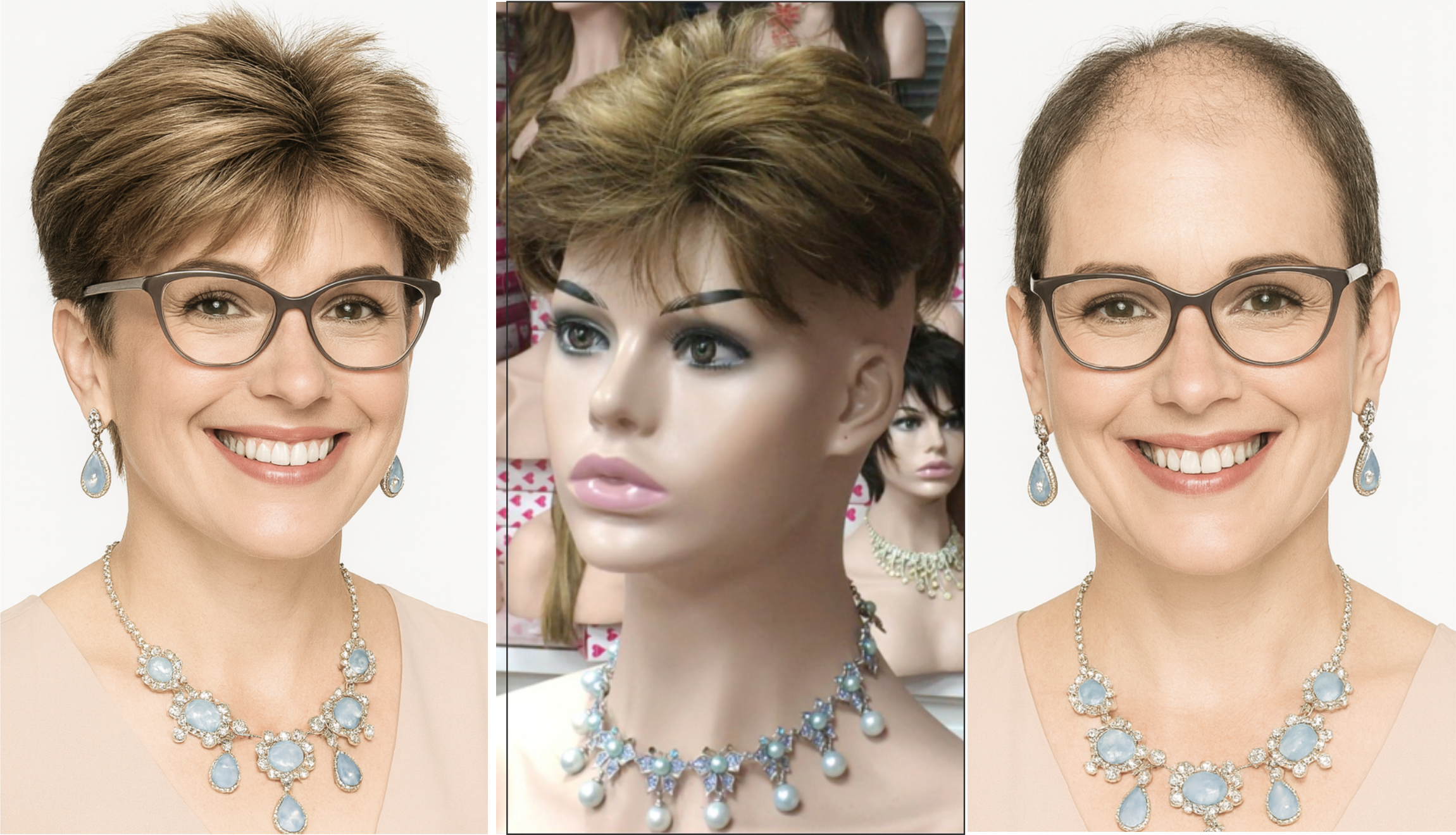
Where to buy natural human hair toppers for women in Pontevedra
If you still keep part of your own hair, you may not need a full wig: you may need to recover density exactly where it is missing.
Natural hair integrated with your own hair
Options for visible parting, frontal area, crown and sides
Guided choice by photos, measurements, colour and base
First important decision
Full wig or hair topper: you do not always need to cover the whole head
When there is loss of volume but you still keep hair at the back or sides, the best solution is often not a full wig but a natural hair topper.
The aim is not to change your image, but to recover density on the top area, parting, frontal area or crown so your hairstyle has presence again.
- It may work if you notice low density on the top area.
- It can help when the parting opens too much or the crown looks sparse.
- It allows your own hair to remain visible and integrated.
- It avoids the feeling of wearing a full wig when your case does not require one.
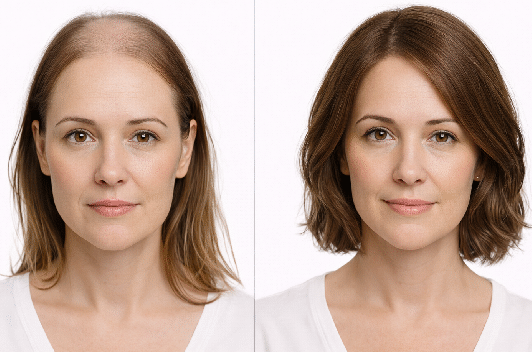
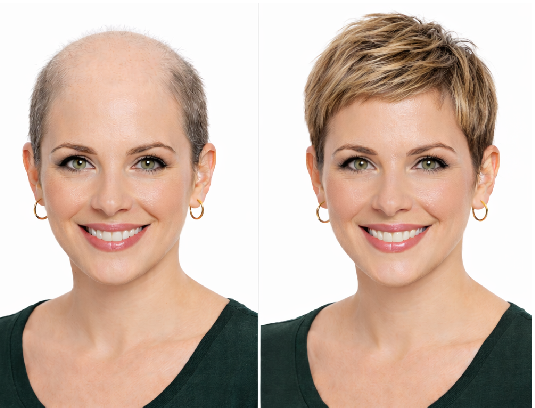
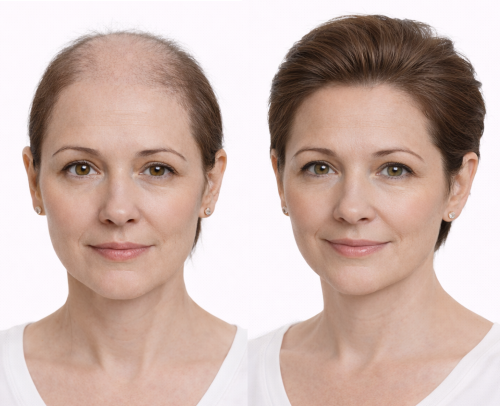
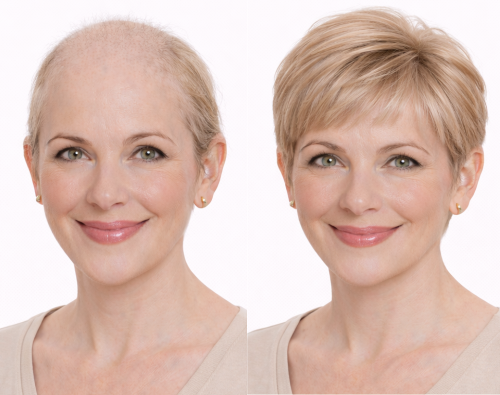
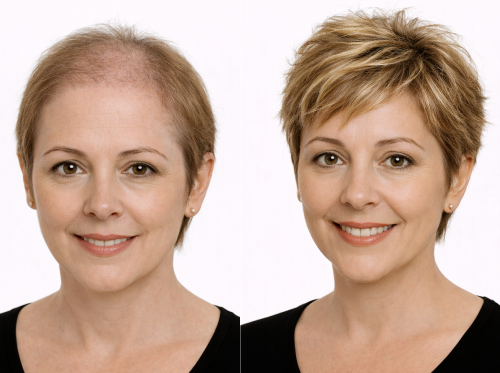
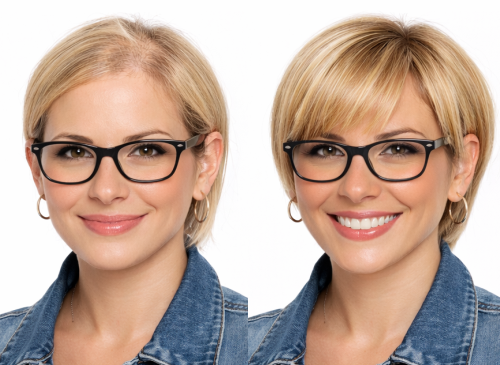
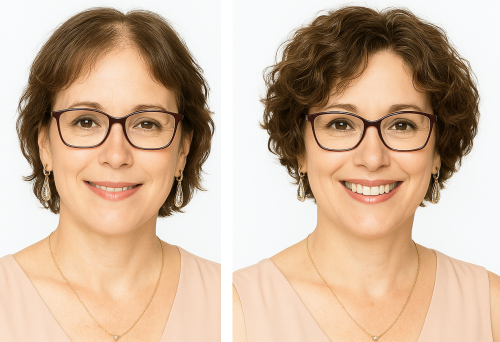
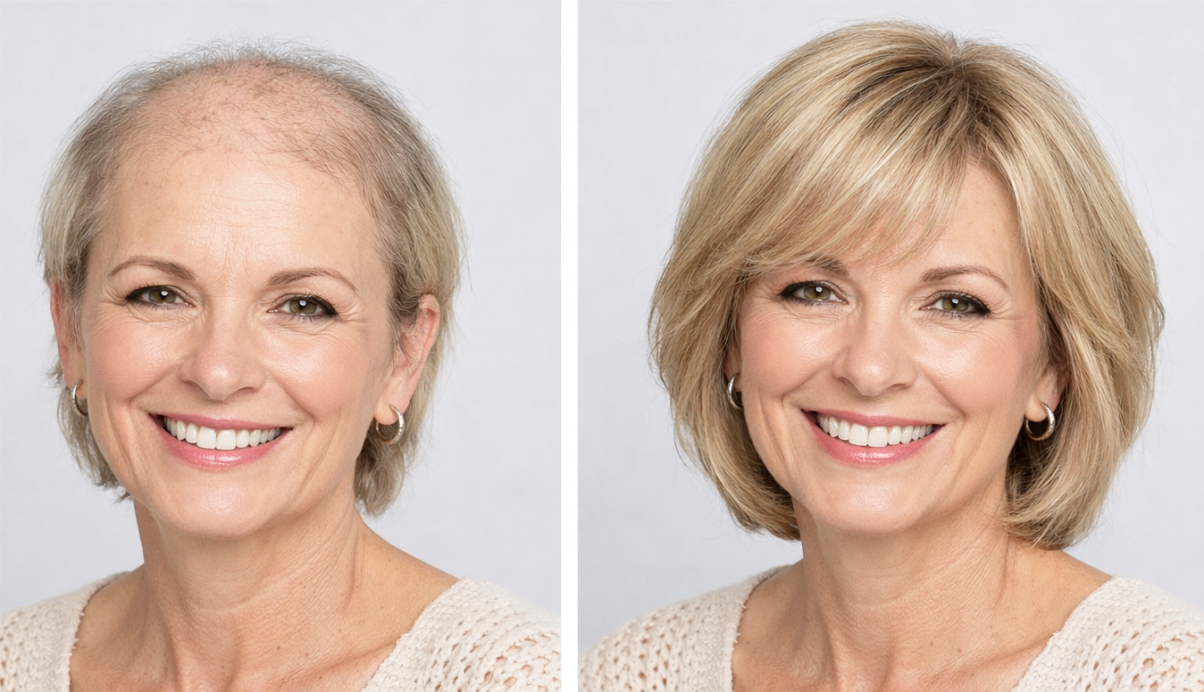
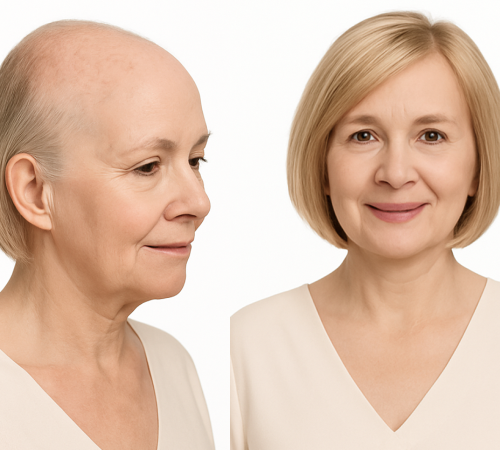
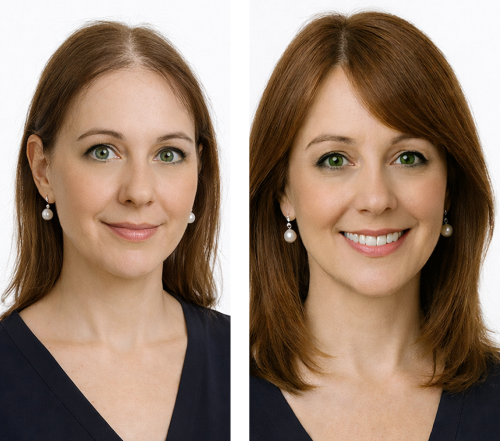
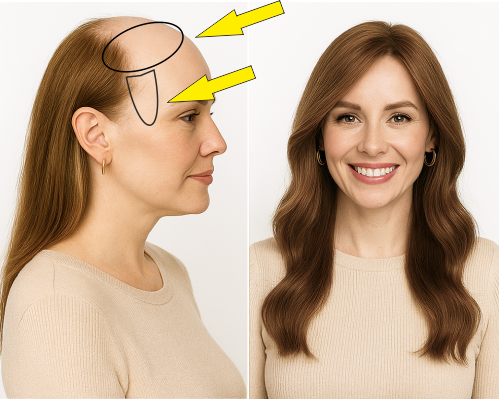
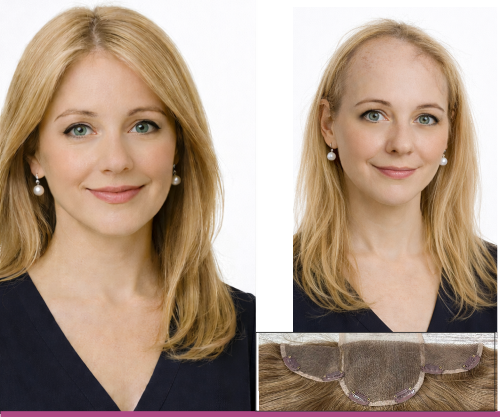
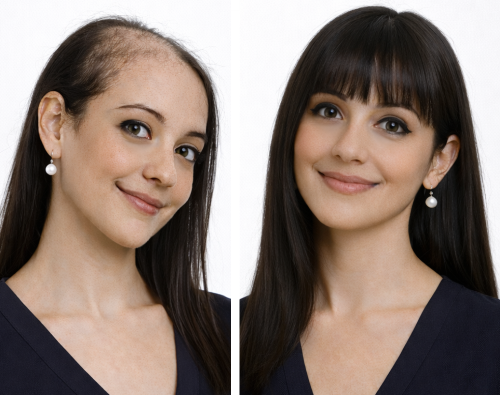
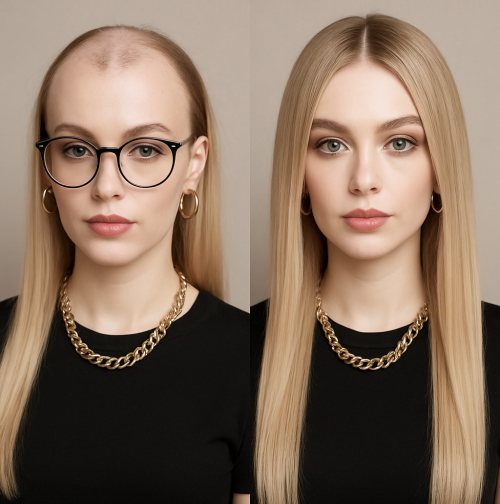
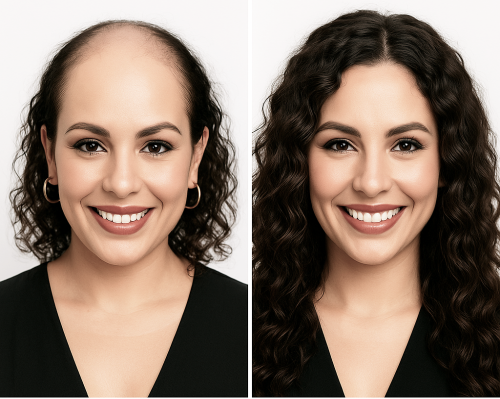
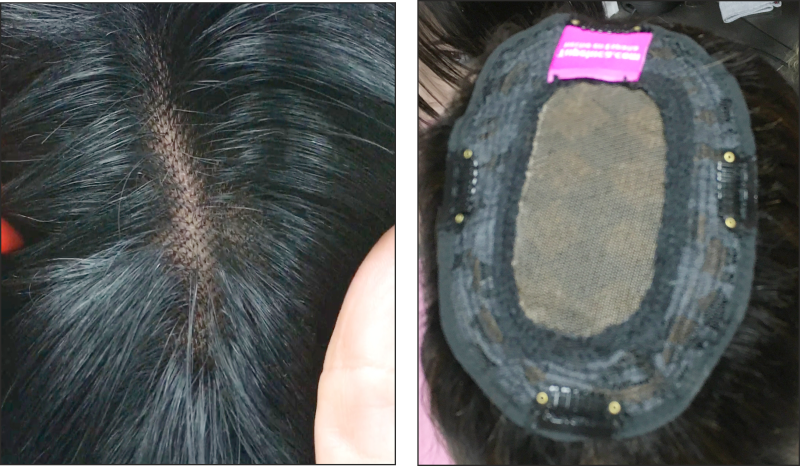
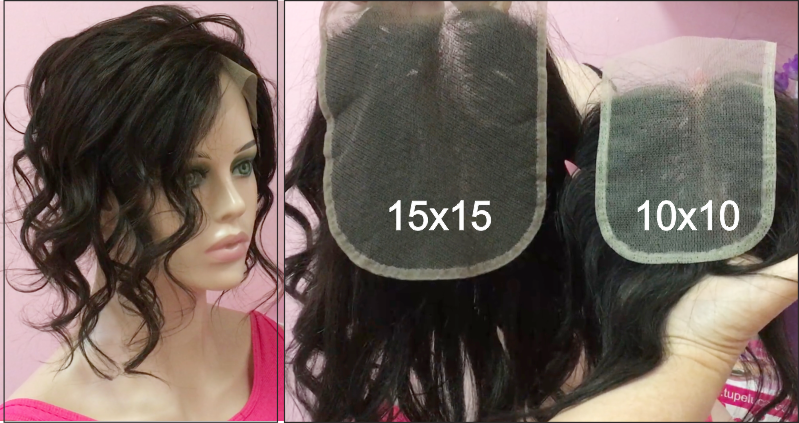
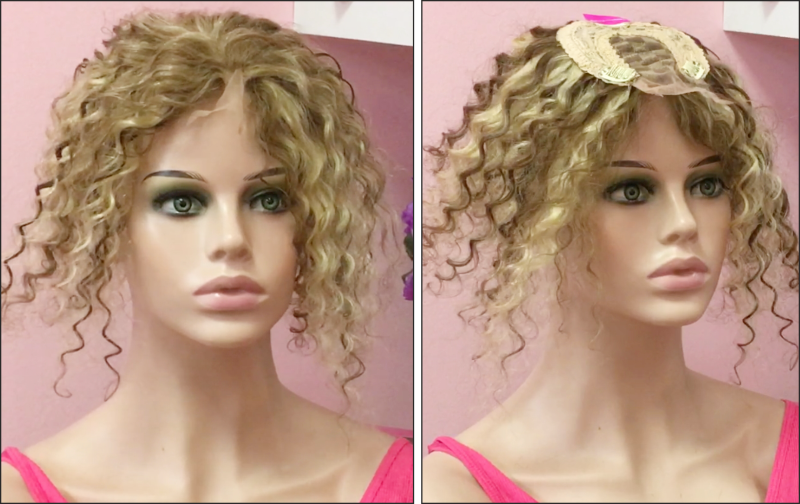
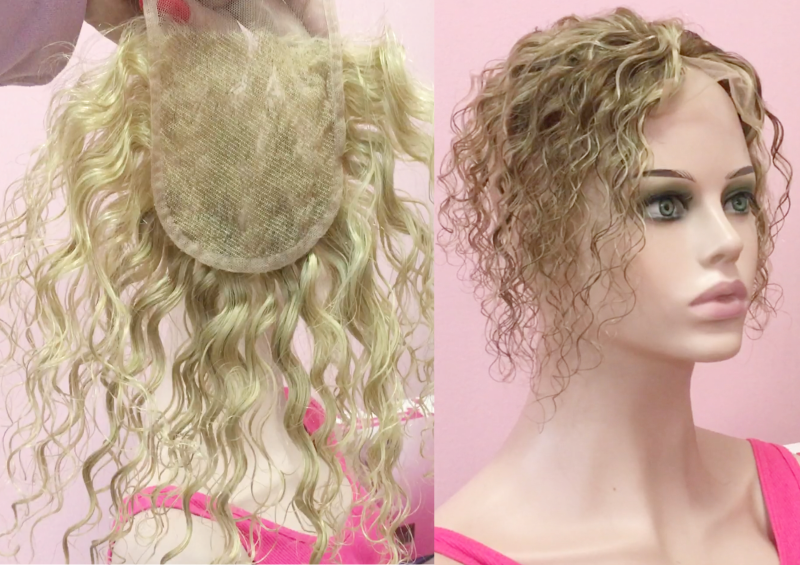
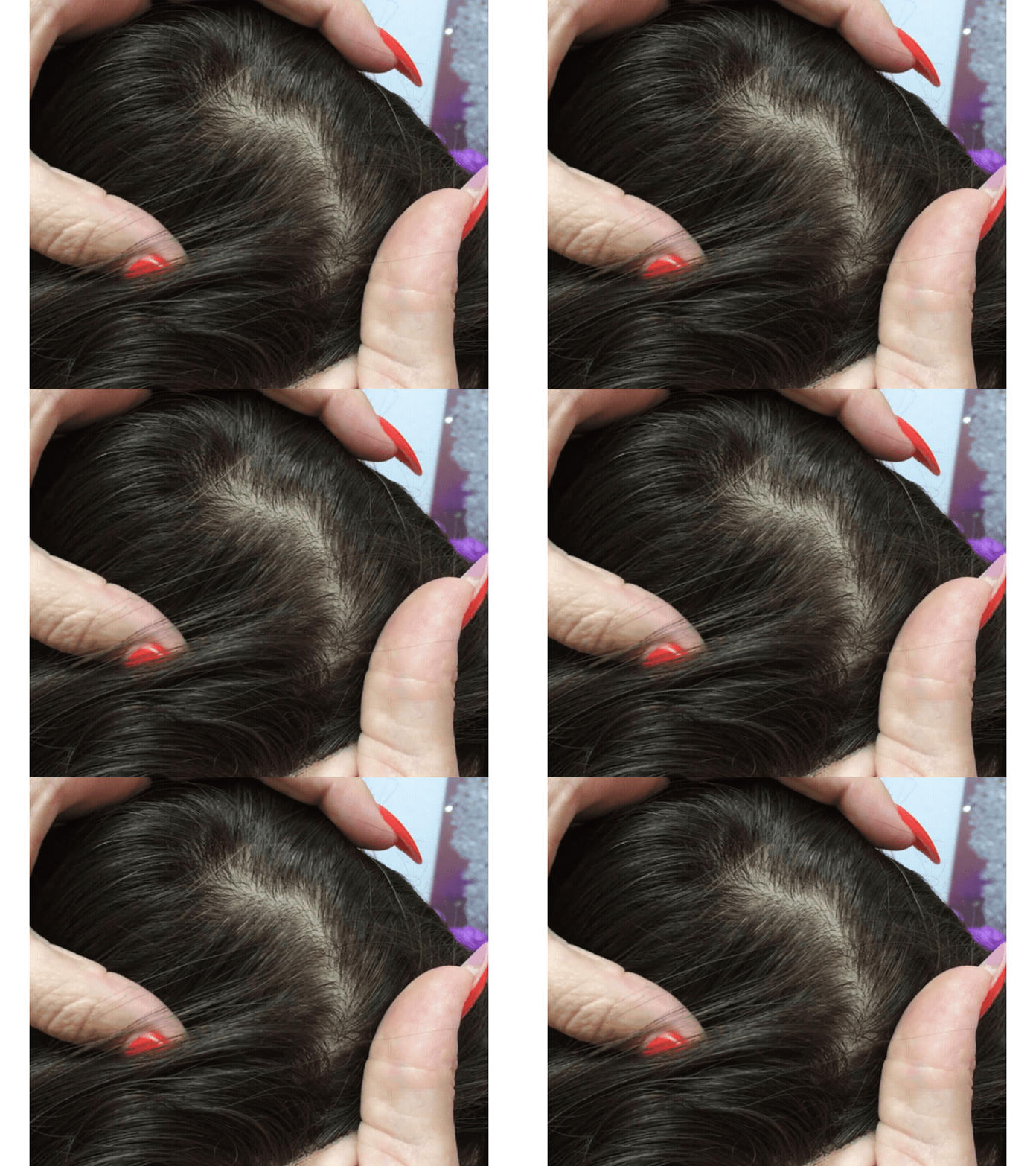
Visual examples to recognise your case
The right topper depends on the area that needs density, how much hair you still have and how you usually style it.
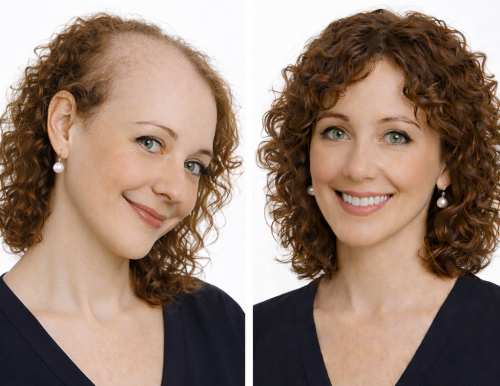
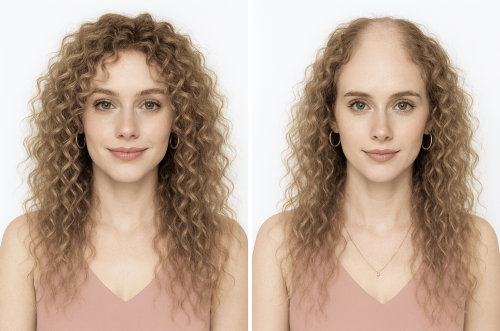
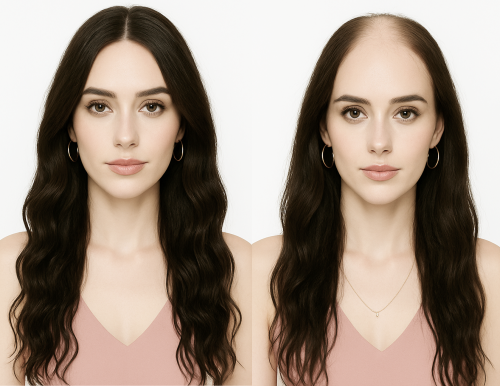
Back to the top of the page
1
2
3
4
5
How we choose a natural hair topper with you
Choosing a hair topper is not about looking at a catalogue and guessing. First we assess the case, then the model.
Affected area
Parting, frontal area, crown, sides or the whole top area. The area defines the base.
Your own hair
We look at how much hair you still have to decide whether clips, adhesive or a mixed system make sense.
Colour and texture
The topper blends with your own hair, so shine, curl, grey hair and tone must match.
Base and parting
We choose size, lace, top, parting, front or sideburns according to your usual hairstyle.
Final adaptation
Cutting and styling adjust the piece so it becomes part of your everyday image.
Buying remotely, but with a serious assessment of your case
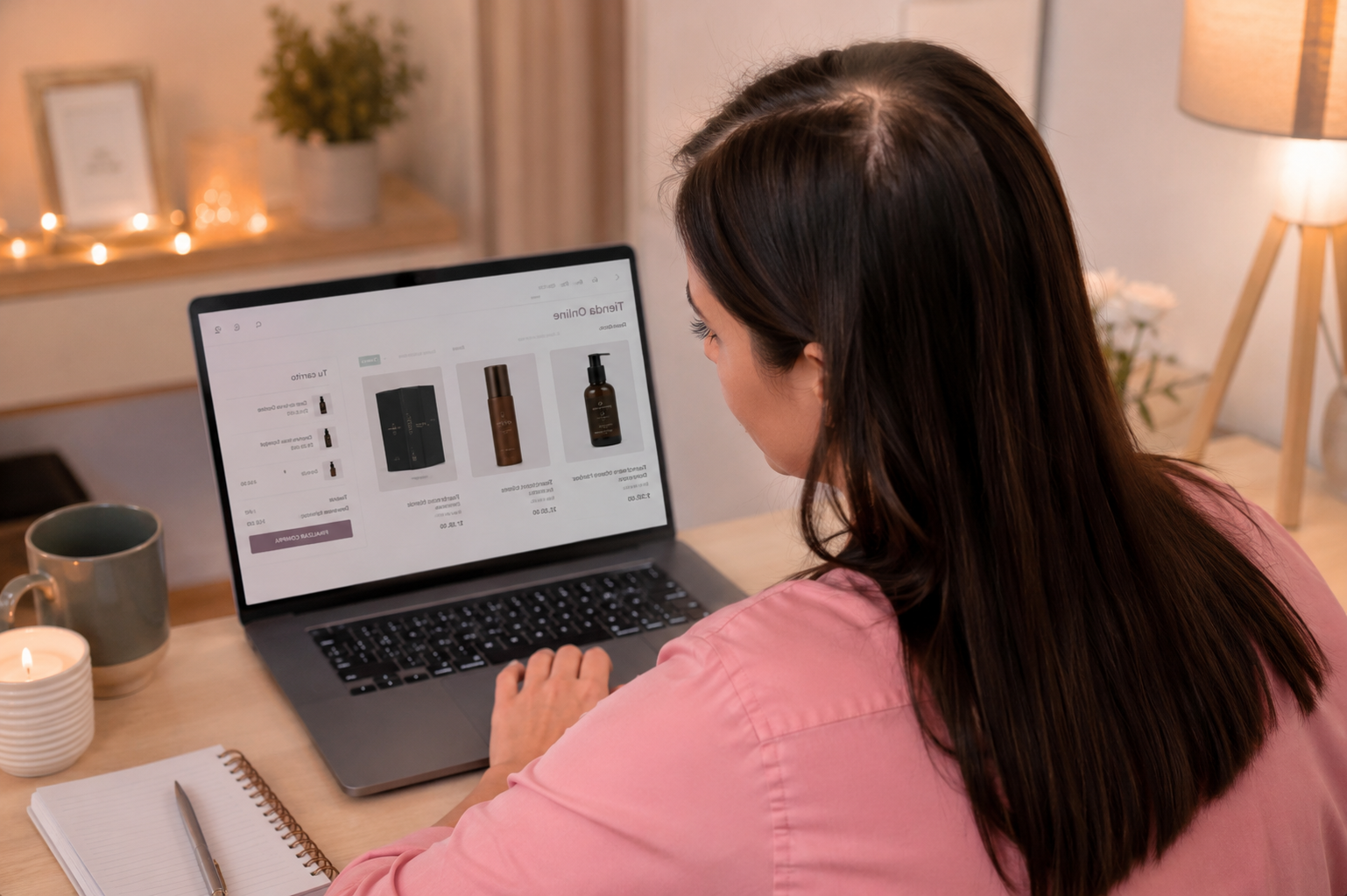
Many women wonder whether a topper will be noticeable, whether it will move or whether it will look different from their own hair. That is why we ask for useful photos before recommending anything.
A front photo, a photo from above, another of the sparse area and a reference for your usual hairstyle allow us to guide you much more precisely.
Paula is our virtual assistant. Try it.
It helps you organise your first questions about alopecia, toppers, base type, colour and remote purchase before speaking with our team.
- Initial guidance to know whether you need a topper or a full wig.
- Private WhatsApp assessment with photos of your case.
- Choice of base, colour, length and attachment system.
- Confirmation of timing and adaptation before preparing the order.
Base types: small, large, frontal, sideburns or lace
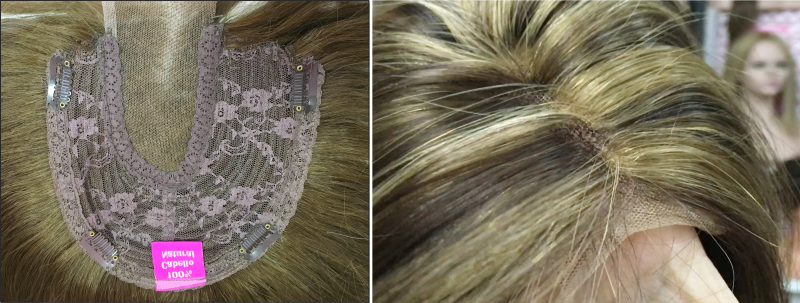
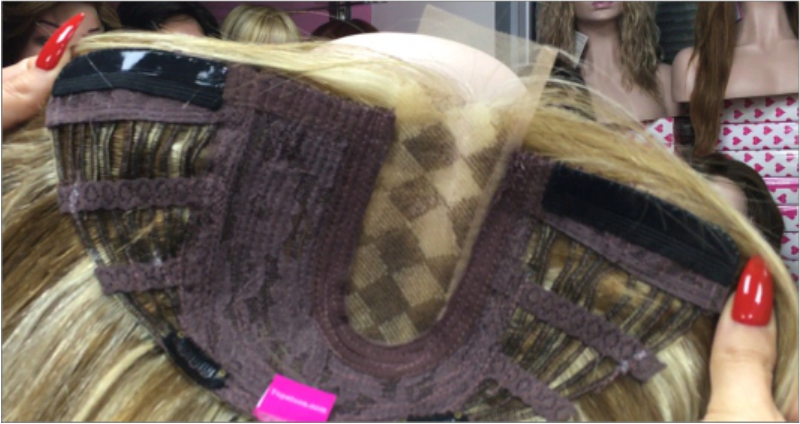
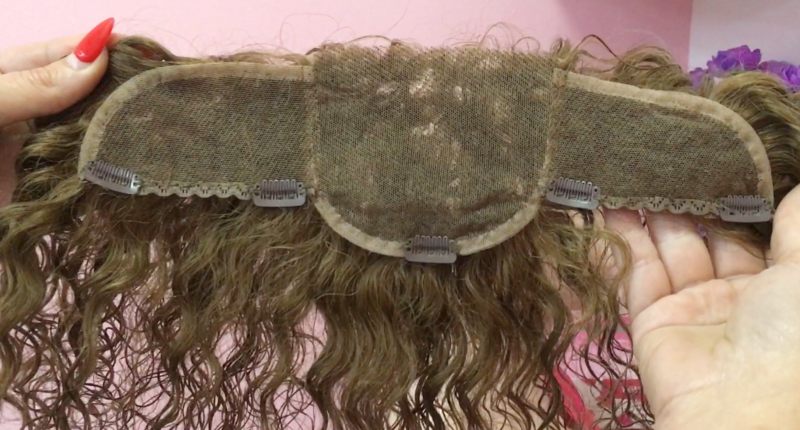
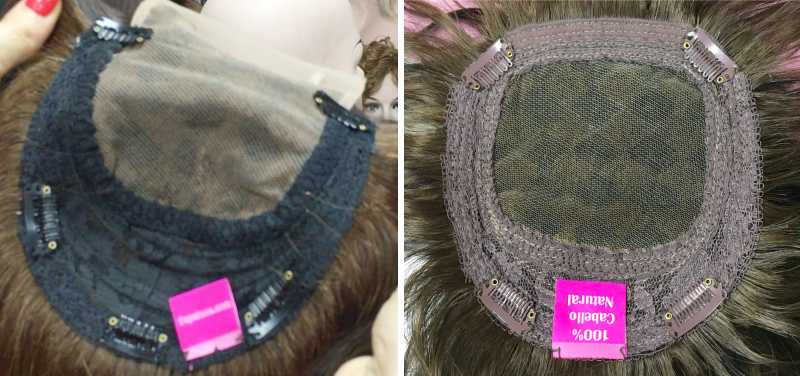
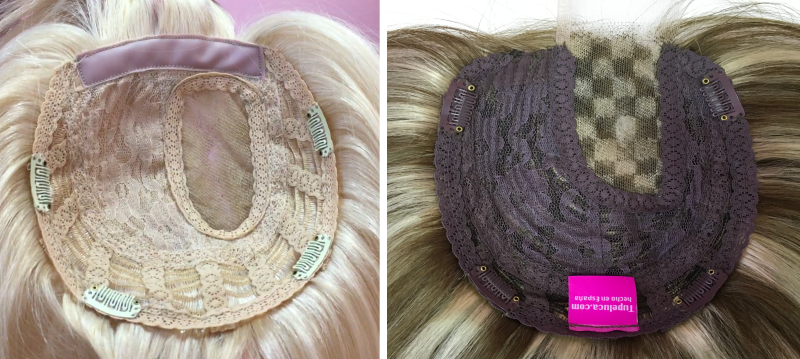
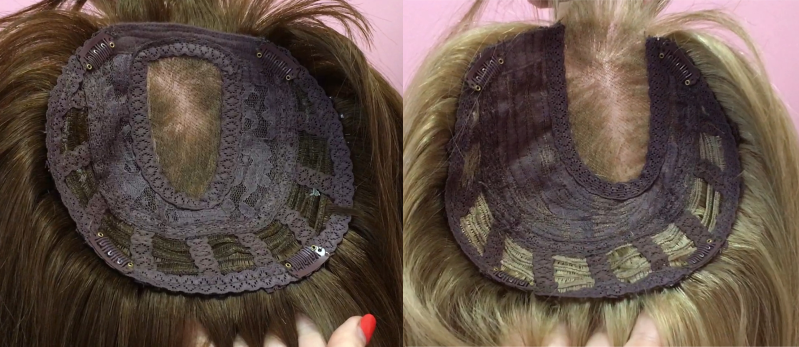
The base is the part that holds the topper hair. Its size and shape must match the area that lacks density, but also the way you style your hair.
In some cases a small base is enough. In others we need to work with the front, sideburns, sides, lace or a larger base so integration is comfortable and natural.

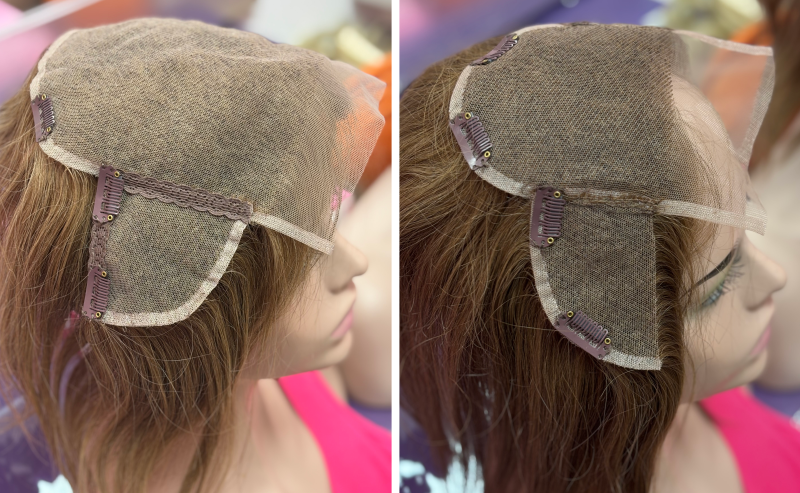
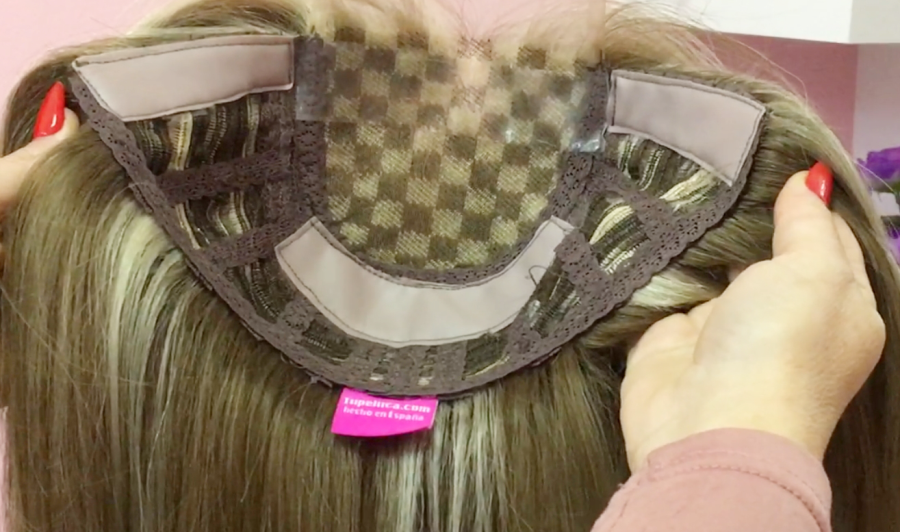
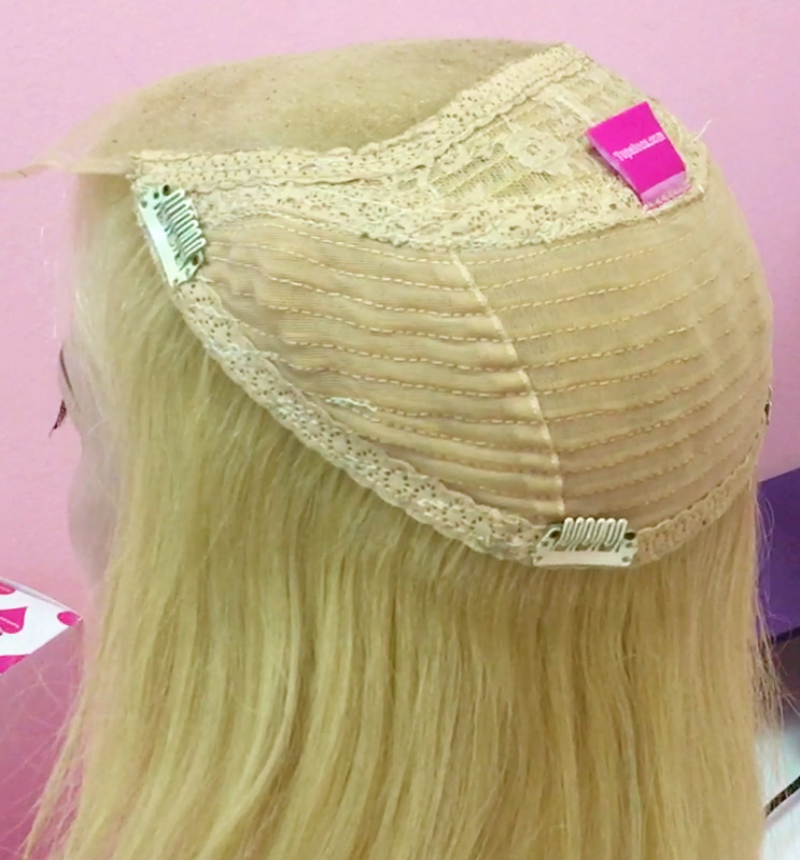
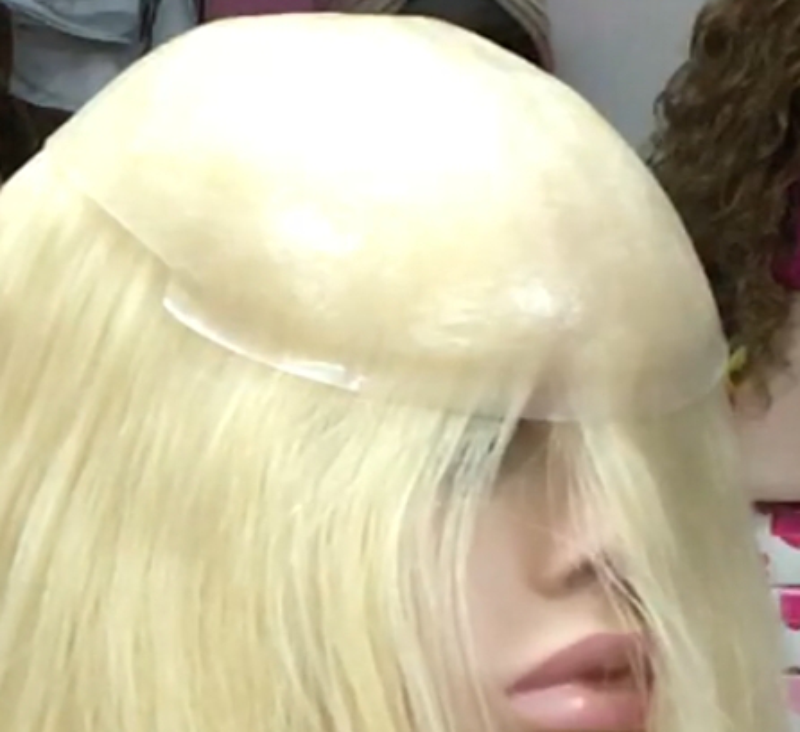
ROCÍO model in straight hair for frontal fibrosing alopecia
This video shows a straight-hair version of the Rocío model, used as a visual example for cases where frontal fibrosing alopecia affects the front, temples or sideburns.
It is not an automatic recommendation: first we assess the real area of loss, available hair, base, attachment and the style you want to keep.
Technical details that change the result
These elements may seem small, but they are what make a topper look integrated or perceived as a separate piece.
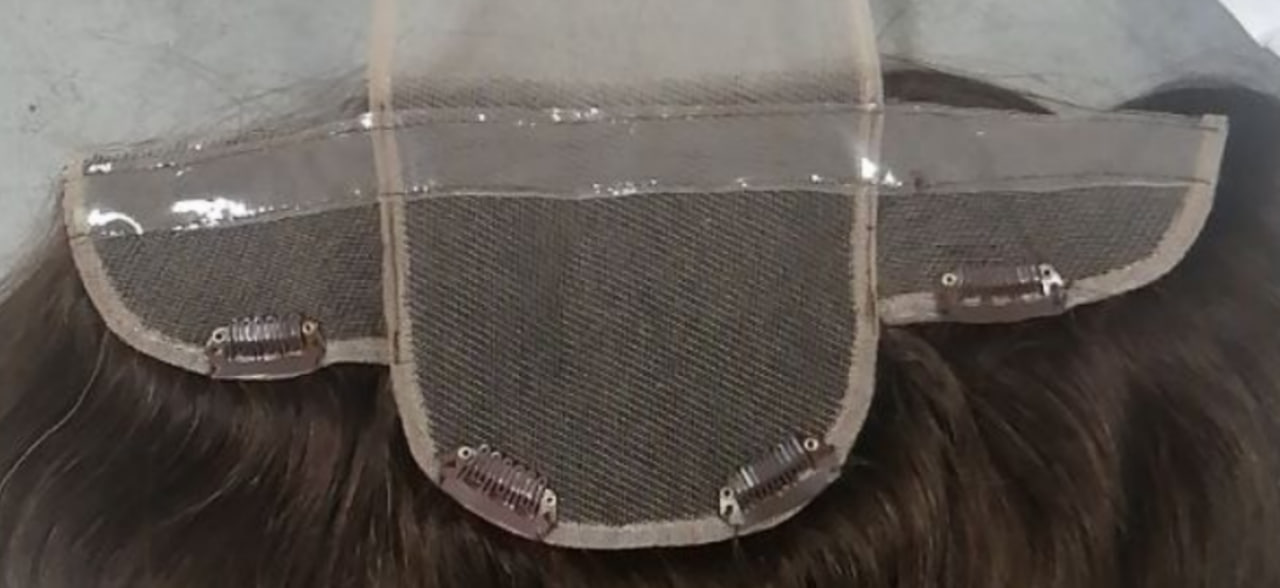
Clips or adhesive
If there is enough hair, clips can be comfortable. If not, adhesives or mixed systems are assessed.
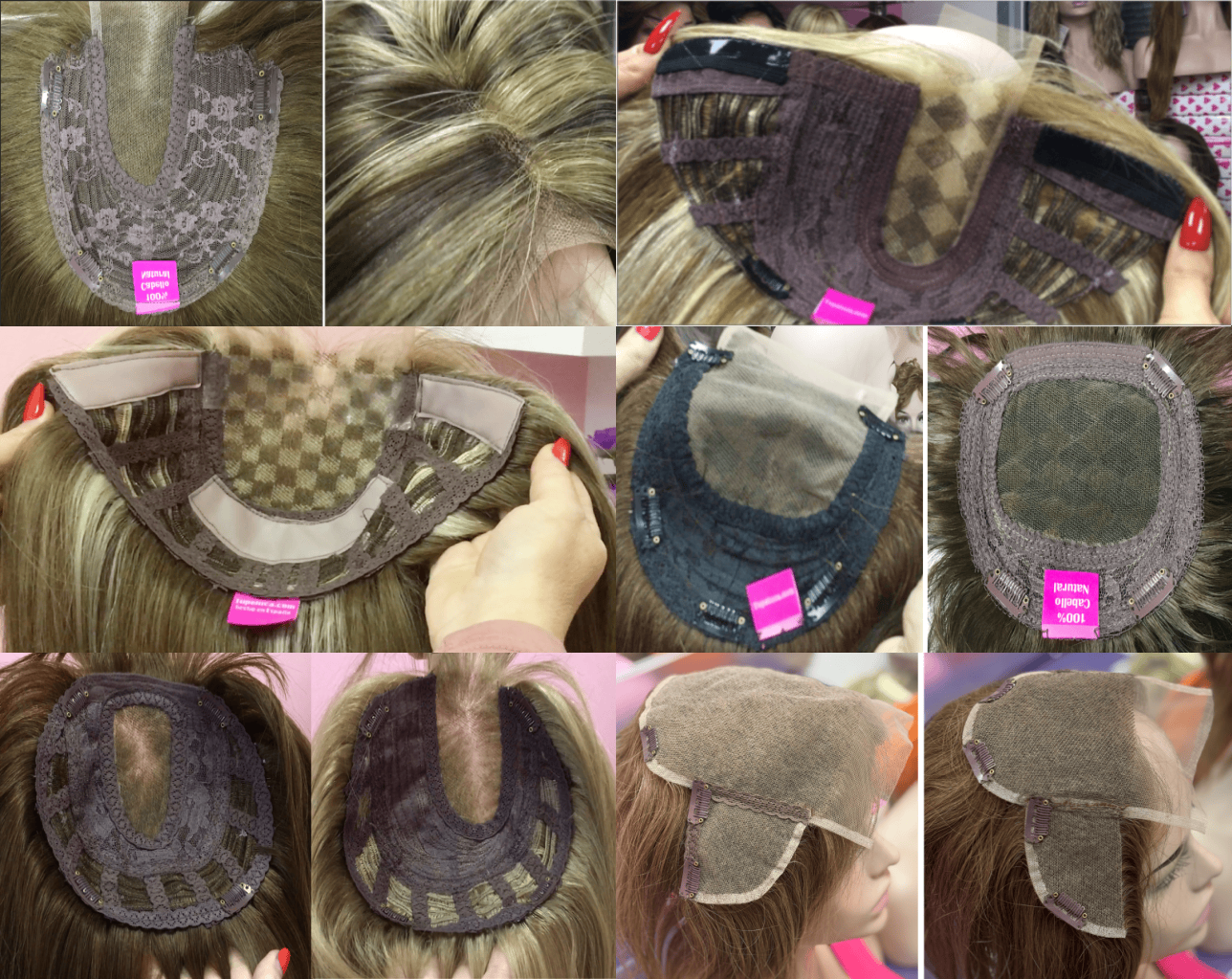
La misma base puede cambiar mucho
El corte final, el peinado y la adaptacion transforman una misma base en resultados muy distintos.
Lace and naturalness
Lace can help in visible areas, especially when the parting, front or transparency must be handled carefully.
Types of alopecia we can assess
This section works as further reading: it does not replace a medical diagnosis, but helps explain why not all hair solutions are the same.
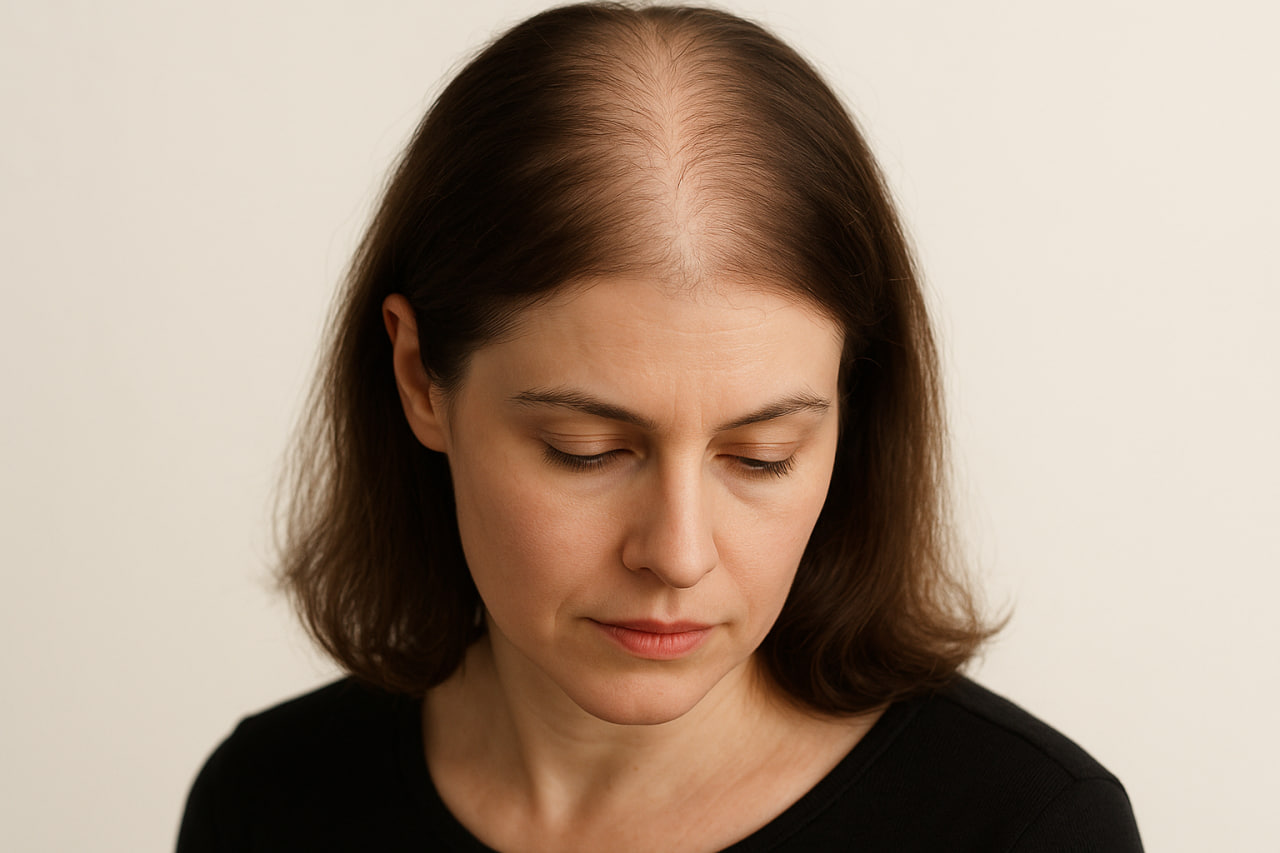
Female androgenetic alopecia
It usually causes progressive density loss on the top area. It often works with small or medium toppers.
Read more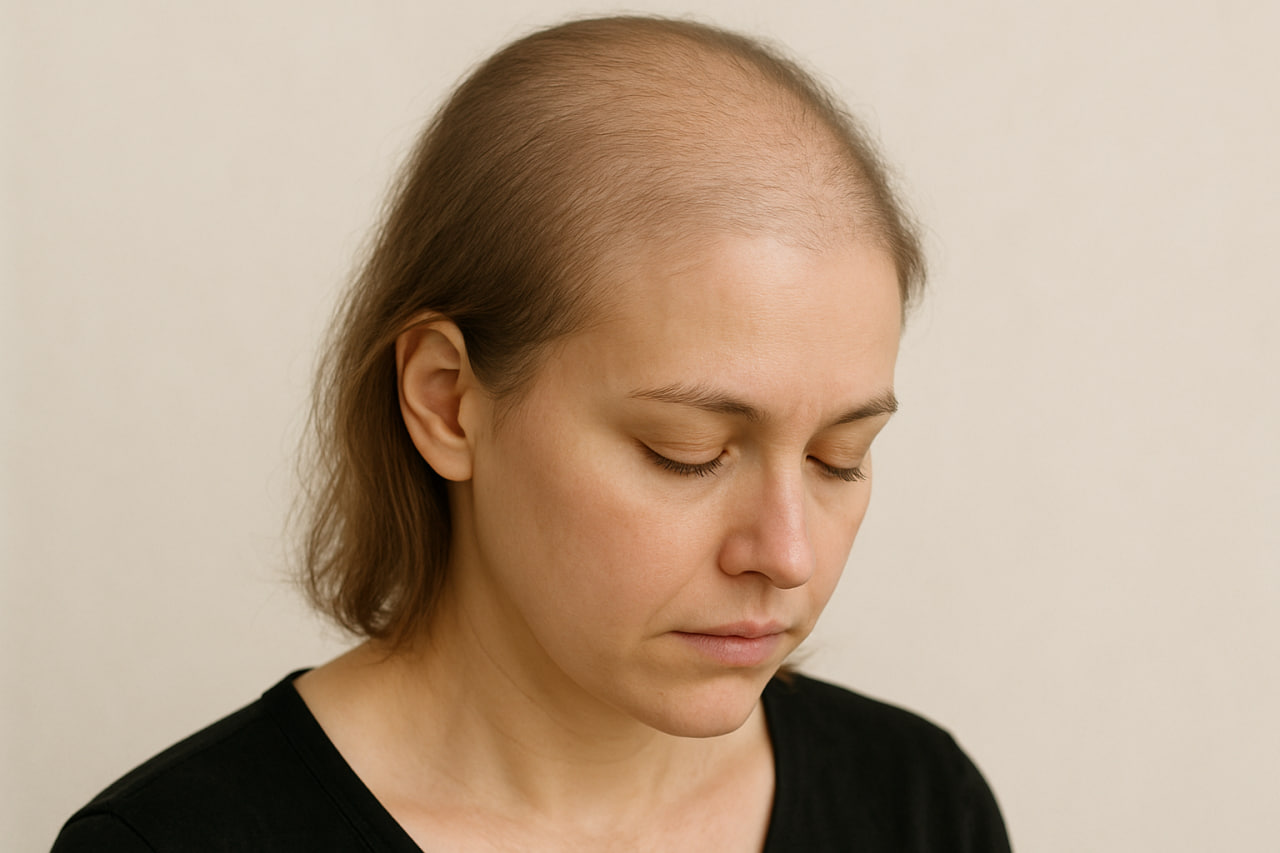
Diffuse alopecia
El cabello pierde cuerpo de forma repartida. Se valora si hay suficiente pelo para integrar una pieza parcial.
Read more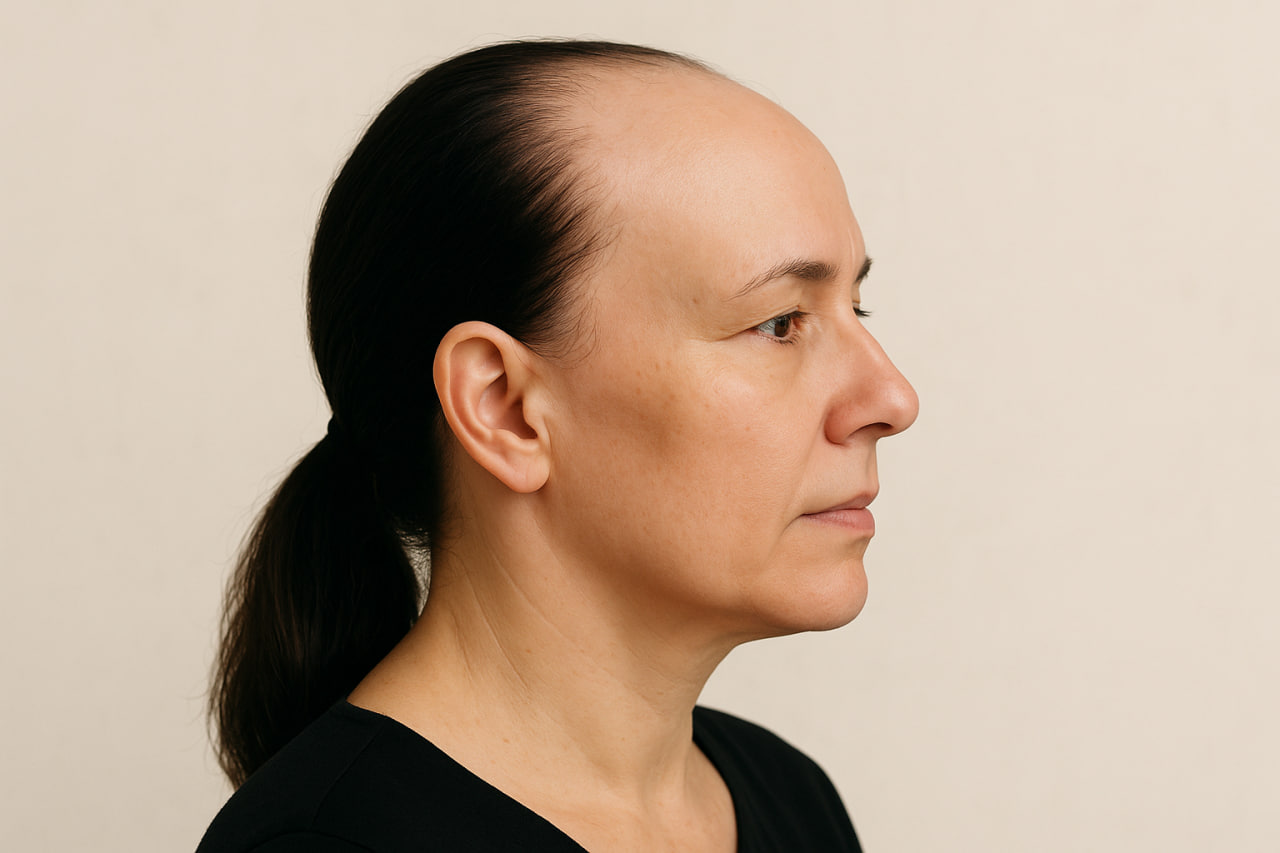
Frontal fibrosing alopecia
It can affect the front, temples and sideburns. The Rocío model with extra lace sideburns is designed to cover that area.
Read more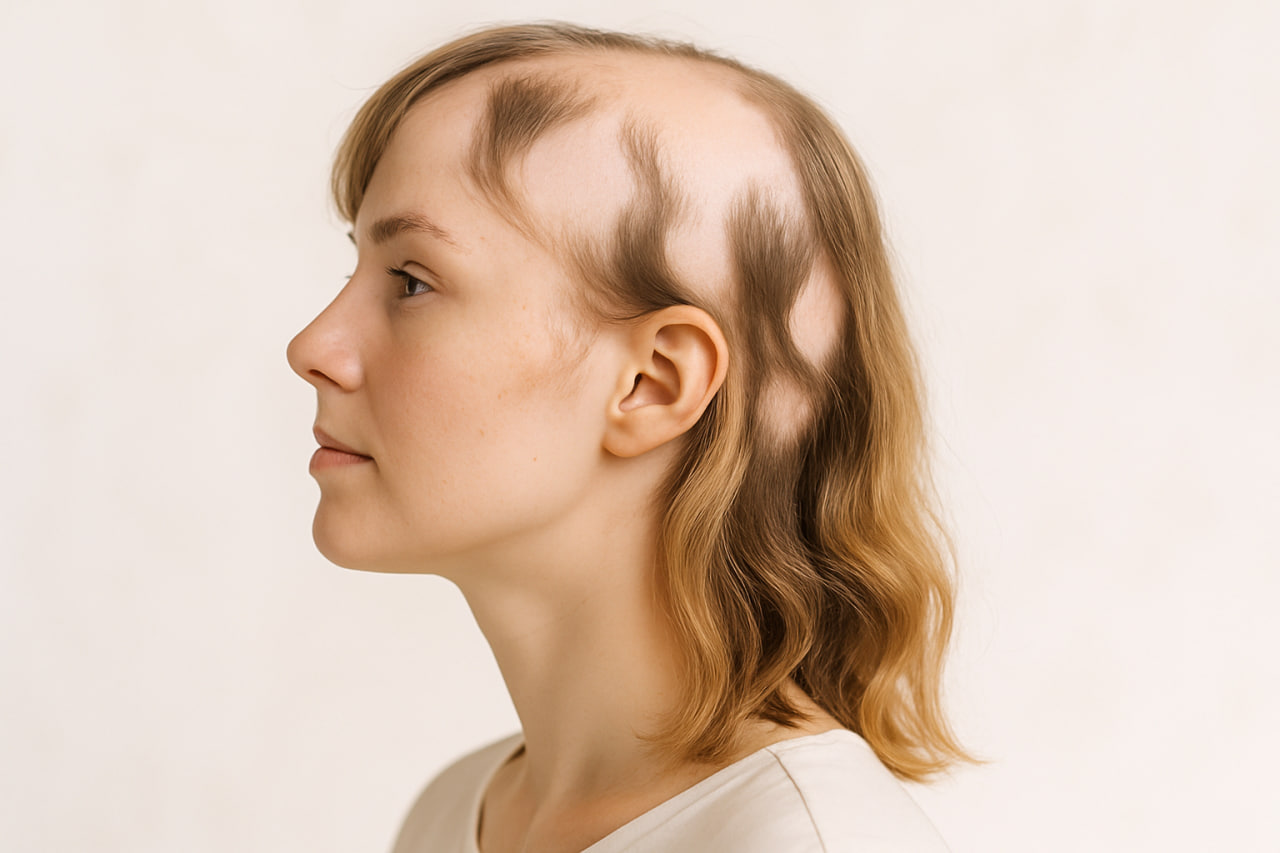
Alopecia areata
It can appear in patches. Depending on extent and location, it may be solved with a partial piece or may require another solution.
Read more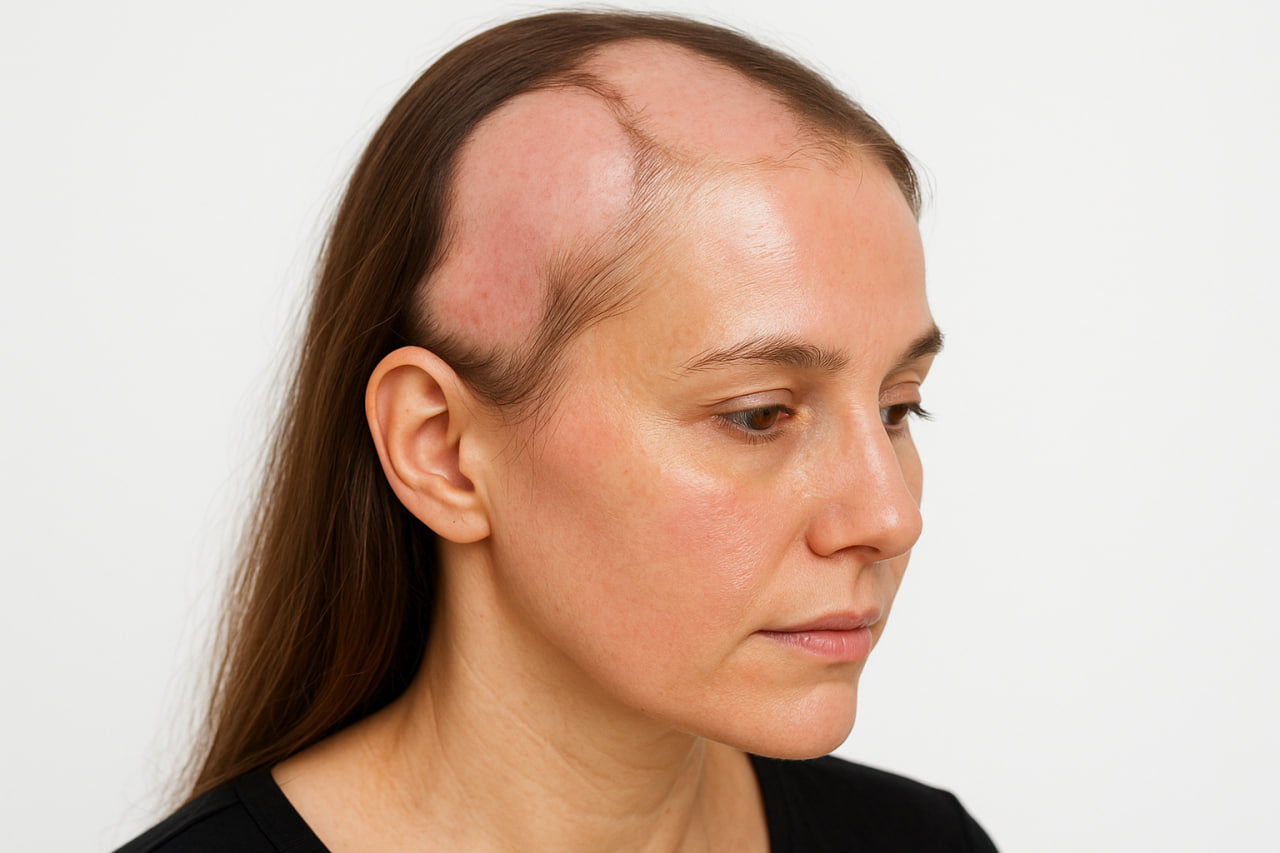
Scarring alopecia
When the affected area does not recover hair, it may require custom bases or specific attachment systems.
Read more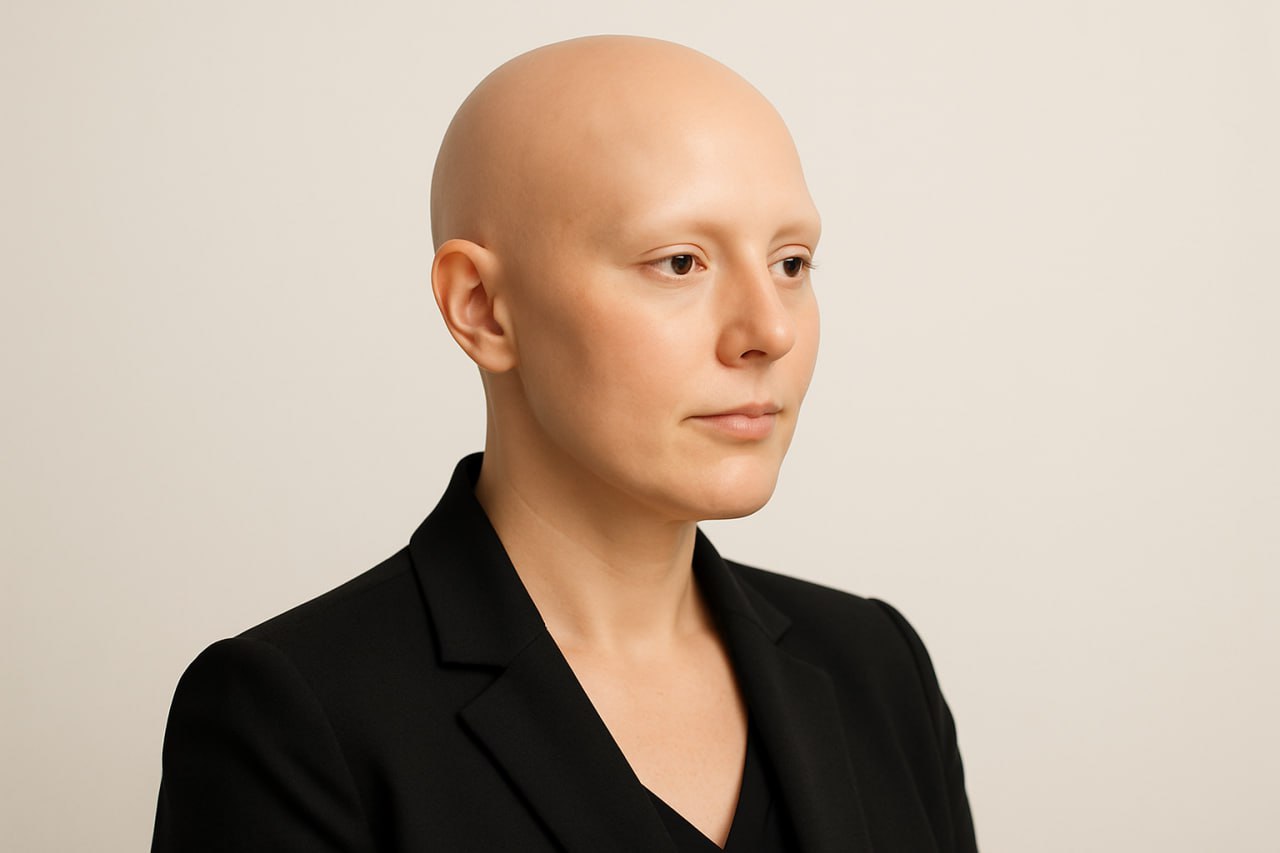
Universal alopecia or extensive cases
If the loss is very extensive, it may be more realistic to assess a half wig, a skin prosthesis or a full wig.
Read more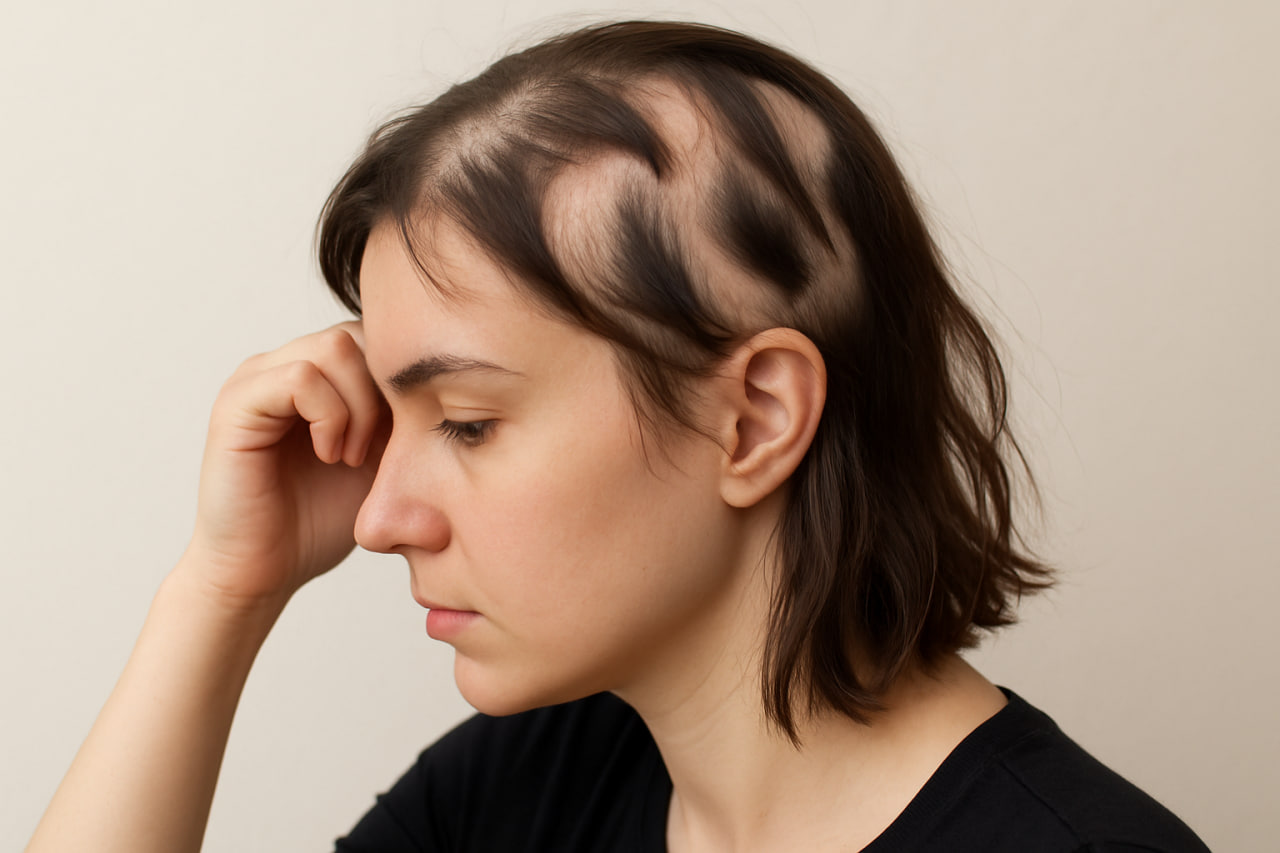
Trichotillomania
When loss appears in irregular areas, we assess whether a partial base can cover the area and allow a natural hairstyle.
Read more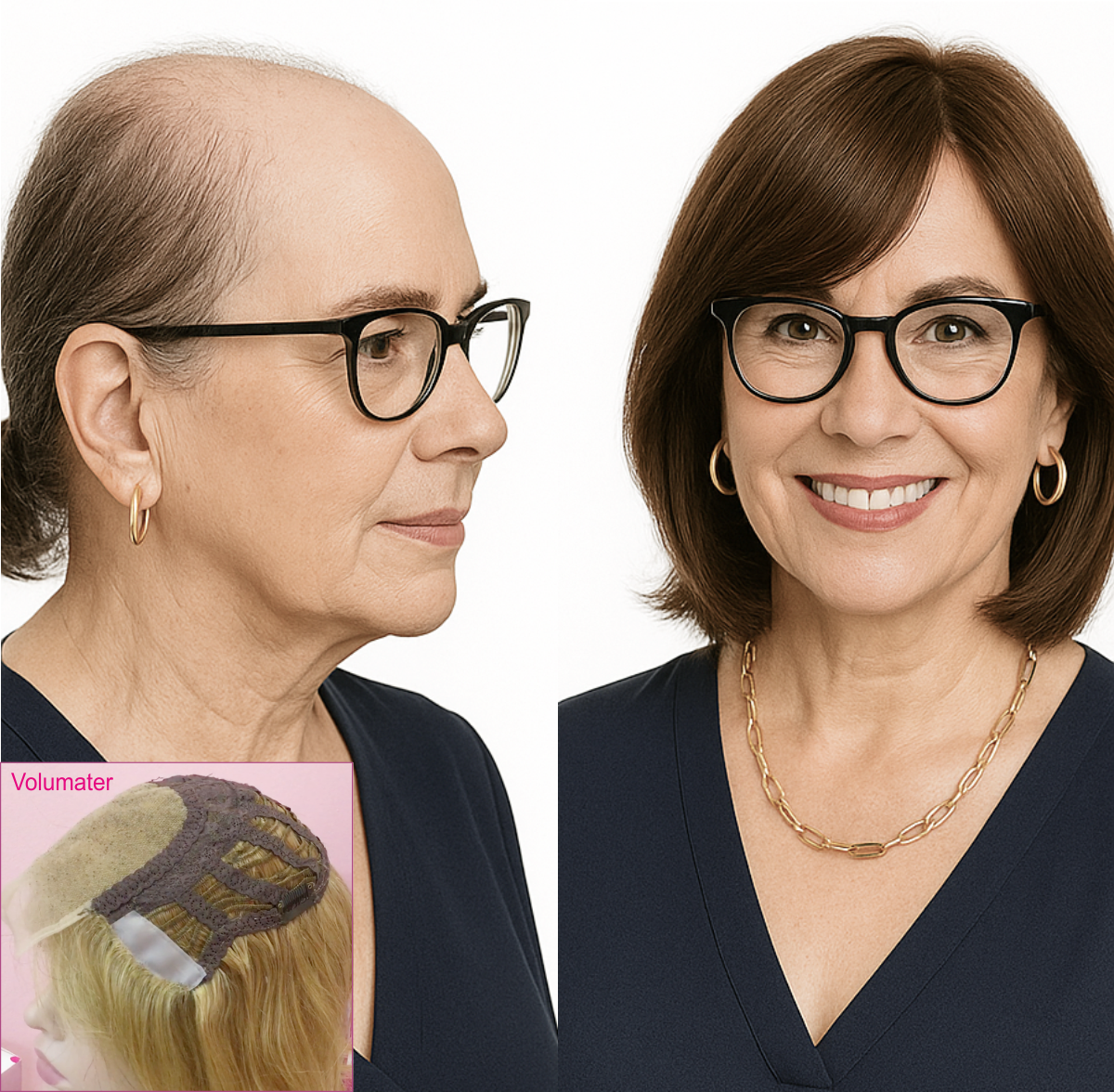
When alopecia progresses
When a simple topper is not enough
If hair loss goes beyond the top area, it is worth assessing a broader solution before choosing a small piece. Sometimes a half wig, skin prosthesis or full wig offers a more natural and secure result.
View como lo valoramosView models before deciding
The catalogue helps you recognise lengths, bases, volumes and styles. Afterwards we review with you which option makes sense for your real case.
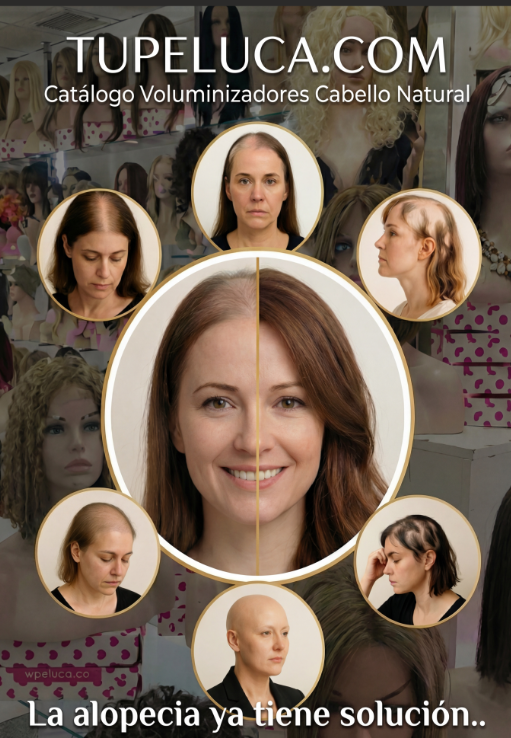
TuPeluca.com catalogue
Natural human hair toppers
A visual reference to start recognising bases, lengths, styles and possibilities before sending us your case.
Frequently asked questions about hair toppers
Is a hair topper noticeable?
When the base, colour, density and cut are well chosen, the result can be very discreet because it integrates with your own hair.
Do I need to shave?
Normally not. The topper is placed over existing hair. Special preparation is only considered in specific cases and is always explained beforehand.
Are clips or adhesive better?
It depends on how much hair you still have and the affected area. If there is enough hair, clips are usually comfortable. If not, adhesive or a mixed system may be needed.
Why natural hair?
Because the topper blends with your real hair. If shine, feel or movement do not match, it is much more noticeable than on a full piece.
How do I know if I need a wig or a topper?
If you keep hair on the sides and back, and the lack of density is mainly on top, at the parting, front or crown, a topper may work. If the loss is very extensive, other solutions should be assessed.
Can I keep my usual hairstyle?
That is precisely the idea. We start from the way you really style your hair to choose base, parting, length, density and finish. We are not trying to change your style, but to recover volume where it is missing.
Does it work for frontal fibrosing alopecia?
Yes. We have a special model called Rocío, with extra lace sideburns, designed precisely to cover the area affected by frontal fibrosing alopecia when it advances over the frontal hairline, temples and sides. This is not a generic solution: the front shape, sideburns and base must be assessed so the piece covers exactly where it is needed.
What photos should I send?
Ideally, send a front photo, one from above, one of the area lacking density and an image of your usual hairstyle. With that we can guide you better before talking about specific models.
Paula explains frequent questions on video
Start directly in the specific alopecia and natural hair toppers introduction, without going through the generic entry.
Would you like to know whether a topper can work for you?
Send us photos of the top area, front, sides and a reference for your usual hairstyle.
